WHAT THE TRUMP-PUTIN-XI SUMMIT MEANS FOR THE NEW WORLD ORDER
Let me start with: Little was agreed, but the message was unmistakable: the balance of global power is shifting, and Europe is watching from the sidelines.
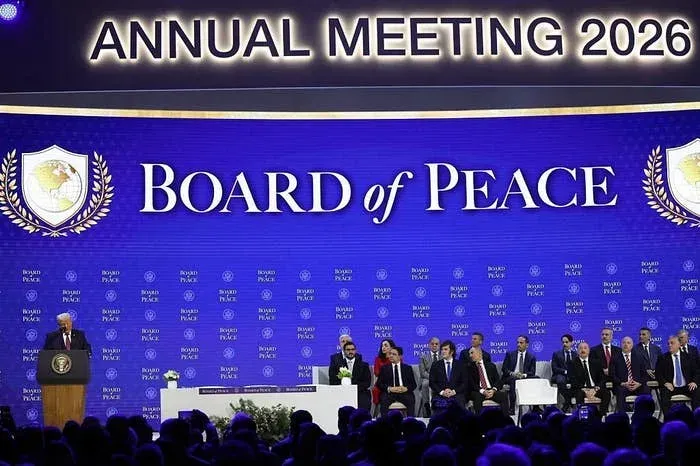
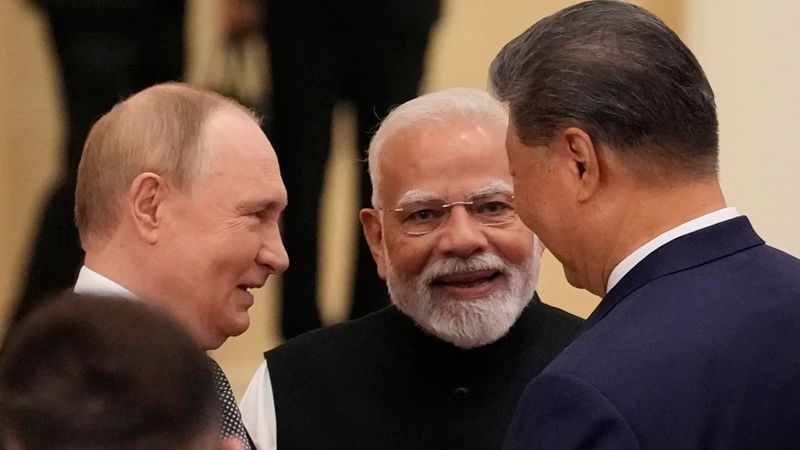
Chinese President Xi Jinping has hosted a historic summit in Shenzhen that brings the Russian leader, Vladimir Putin, back to the centre of international diplomacy. For Donald Trump, it offers an opportunity to advance his foreign-policy agenda after a devastating election result at home, which will leave Washington firmly in Democratic hands from January 2027.
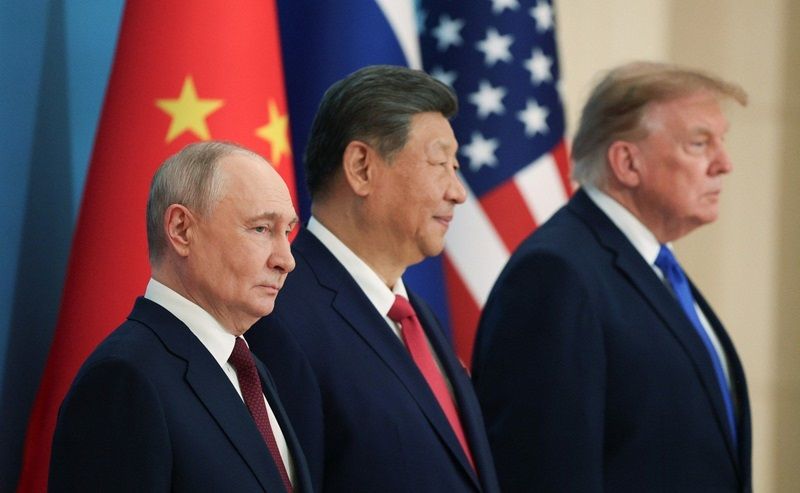
Three nuclear powers, one photograph
“We share the responsibility of maintaining global peace and security.” These words were spoken, rather patronisingly, by Vladimir Putin – the president who ordered the invasion of Ukraine – while sitting next to Donald Trump and Xi Jinping.
We share the responsibility of maintaining global peace and security said Vladimir Putin during the Shenzhen summit.
The Shenzhen summit produced an unprecedented photograph of the world’s three largest nuclear powers. Russia leads with more than 5,500 nuclear warheads, followed by the United States with around 5,200 and China with just over 600. For comparison, Great Britain holds approximately 220.
Xi takes centre stage
There is little doubt that Xi used this summit to show the world that he is now the dominant figure – the one who will shape what happens around the globe in the years to come. This trilateral meeting made it clear to everyone else who is in charge.
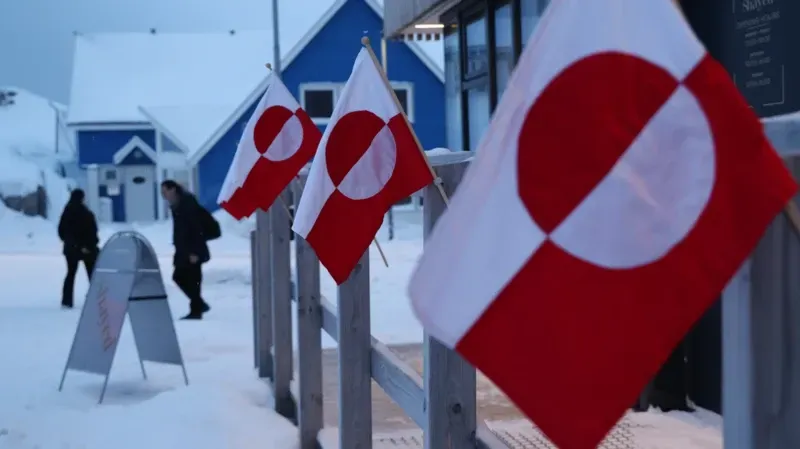
So, what did the trio agree on, and where did they disagree? In my view, very little was actually decided; the three leaders were simply flexing their muscles. They have only one thing in common: the desire to stay in power and make their countries ever bigger. China has its eyes on Taiwan, Russia on Ukraine and perhaps Moldova – not to mention a confused Trump, who talks of expanding American influence from Canada to Greenland, Iceland and beyond.
Two wars, two very different positions
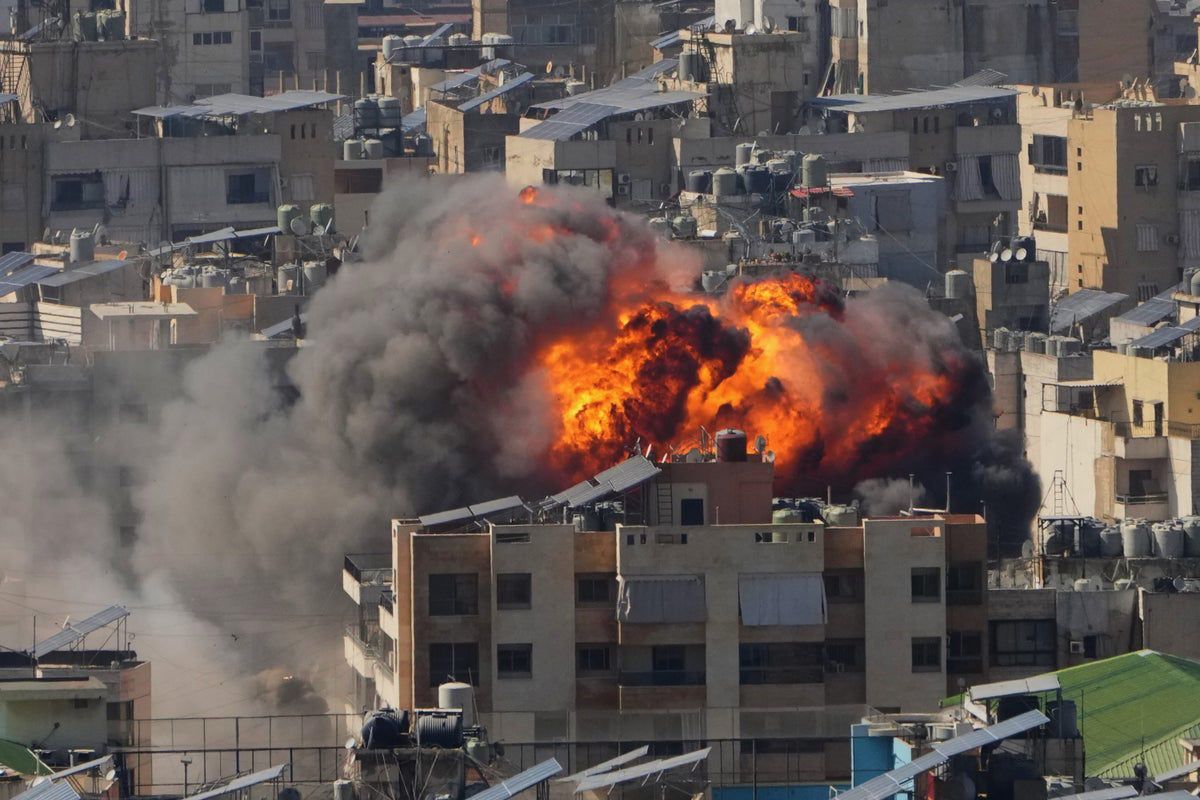
While the United States is engaged in a war in the Middle East in which it has achieved very little, Russia is still struggling in its war in Ukraine. There is, however, an important difference between the two. Yes, both were started by self-proclaimed peacemakers, Putin and Trump. But while Putin enjoys the full support of Beijing, Trump is chasing a diplomatic victory over Iran, even as countries around the world suffer the consequences of the conflict between the US and Iran.
China will almost certainly maintain its political and economic support for the Kremlin, whereas no one is likely to stand behind Washington in its war with Tehran.
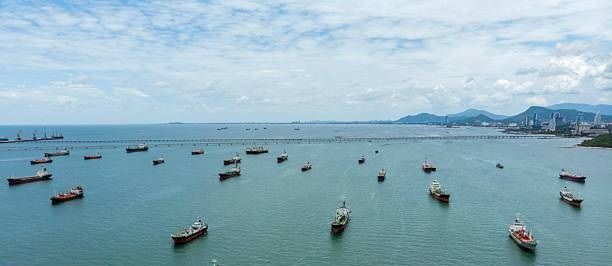
We must not forget that Washington’s aim is to prevent Tehran from developing nuclear weapons, while Moscow maintains a close strategic and military partnership with the Iranian regime. Beijing, meanwhile, has significant economic interests at stake: it is the largest buyer of Iranian oil and fears that a military escalation in the Strait of Hormuz could threaten its supplies. Beijing therefore needs to keep Russia “happy” as a replacement supplier, in case the unpredictable Trump does something unexpected.
Surprises and a joint statement
One of the surprises at the start of the meeting was Trump’s attack on the International Criminal Court, which issued an arrest warrant for Putin in 2023 over the alleged illegal deportation of Ukrainian children. Trump labelled the court a “dishonest globalist organisation” that “has gone out of control”.
The summit concluded with a joint statement in which the three powers committed to continuing discussions on reducing nuclear risks, preventing the proliferation of atomic weapons and preserving international strategic stability. It was a commitment of principle that, for now, has not translated into any concrete disarmament agreement. The statement also included a pledge to reform the United Nations so that it can fulfil its fundamental mission of maintaining world peace and security.
Yet while there is a clear alignment between China, Russia, Iran, North Korea and a handful of other countries, the United States has few allies left on its side.
Europe left on the Sidelines
While this historic meeting was taking place in Shenzhen, the European Union held its own summit to express its support for Ukraine. Trump’s first comment on the Shenzhen meeting was a call for the European Union to stop supporting Ukraine.
It is no surprise that Europe feels somewhat insecure, as Trump has shown little interest in working closely with the European Union. Listening to the main talking points of the EU summit, it was clear that Europe is prepared to bring Ukraine into NATO. Yet once again, it is missing the key point: the United States is the main pillar of NATO, and if the US disagrees with something, it can block everything – just as it has the ability to cut off the satellite navigation that guides missiles, as it has reportedly done on several previous occasions.
Make no mistake, would NATO survive without the United States? I very much doubt it.
The bottom line
At the end of the day, even though little of substance was agreed, the meeting of the “three kings” in Shenzhen overshadowed the European Union’s summit. Europe, after all, could be brought to its knees simply by cutting off its supplies of crude oil and gas.