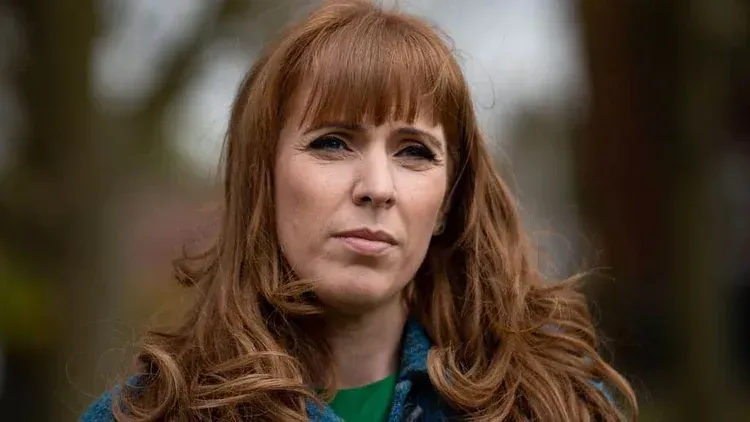
ONCE AGAIN, WE WERE LISTENING TO KEMI BADENOCH’S FANTASIES AND ILLUSIONS

In several previous blog posts, I have openly asked whether Kemi Badenoch truly believes in all the crap what comes out of her mouth. Since she has not replied, I can only assume that she does.
In her speech at the Conservative Party conference in Birmingham, Kemi Badenoch once again used her closing address to promise a “fight that is coming in British politics - a fight unlike anything this country has seen for more than half a century.”
She began by attacking the Labour Party, including Andy Burnham, as well as her rival on the right, Nigel Farage’s Reform UK. Her speech was filled with ambitious promises about how Britain would grow under the Conservatives. It seemed more focused on positioning the party within an emerging five-party system than on setting out serious policy. What little policy she did announce was, in my view, equally unconvincing.
One of Badenoch’s flagship announcements was a pledge to abolish inheritance tax on a person’s main home. The current threshold is £500,000, or £1 million for a married couple. In practice, this would overwhelmingly benefit the wealthiest families rather than “ordinary working” households. A closer look at how many working families own homes in this category suggests that the policy is designed to help wealthier families more than those on middle or lower incomes.
She also appears to have amnesia - forgotten that a similar pledge was made to the British public decades ago, when George Osborne was chancellor under David Cameron. It is therefore another Conservative promise that has been made before but not delivered. Even so, it clearly forms part of Badenoch’s argument for being unapologetically Conservative and pursuing growth.
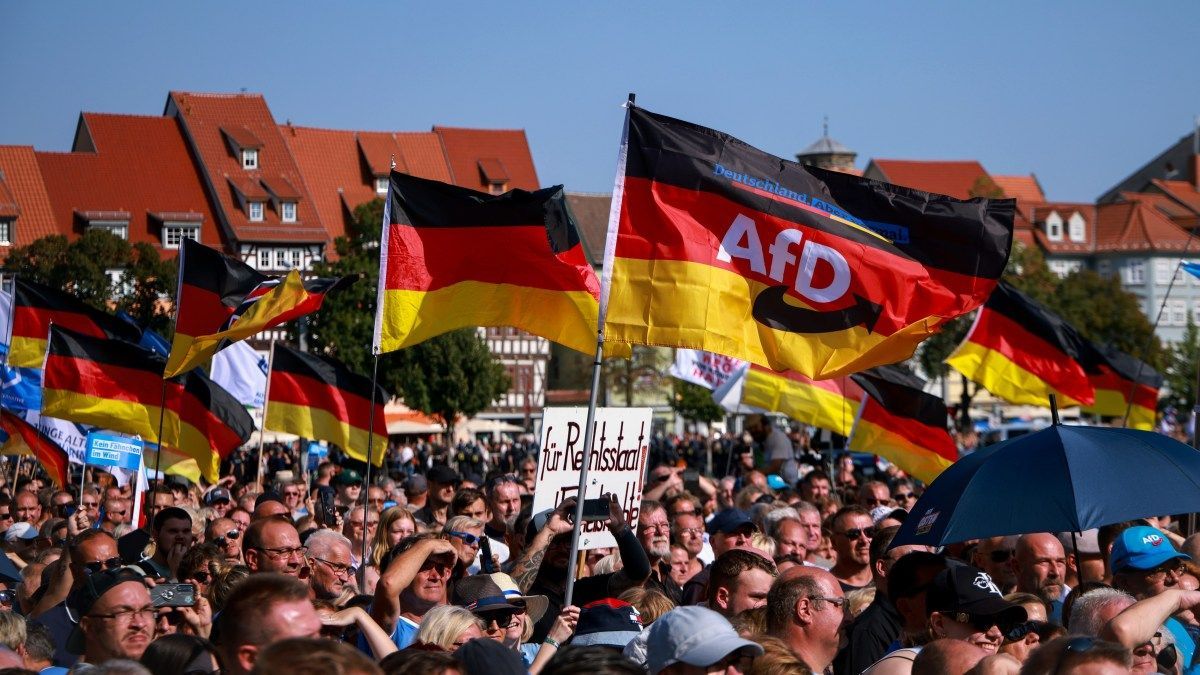
Badenoch then turned to the question of whether the political right could unite - an idea that now appears dead and buried.
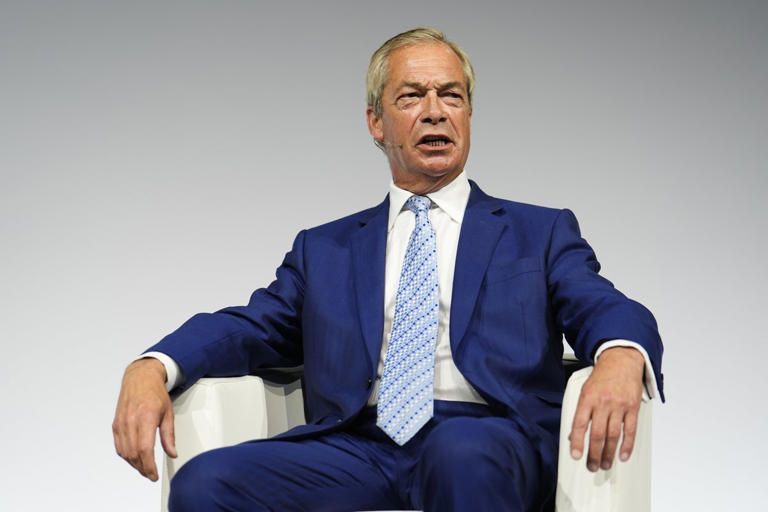
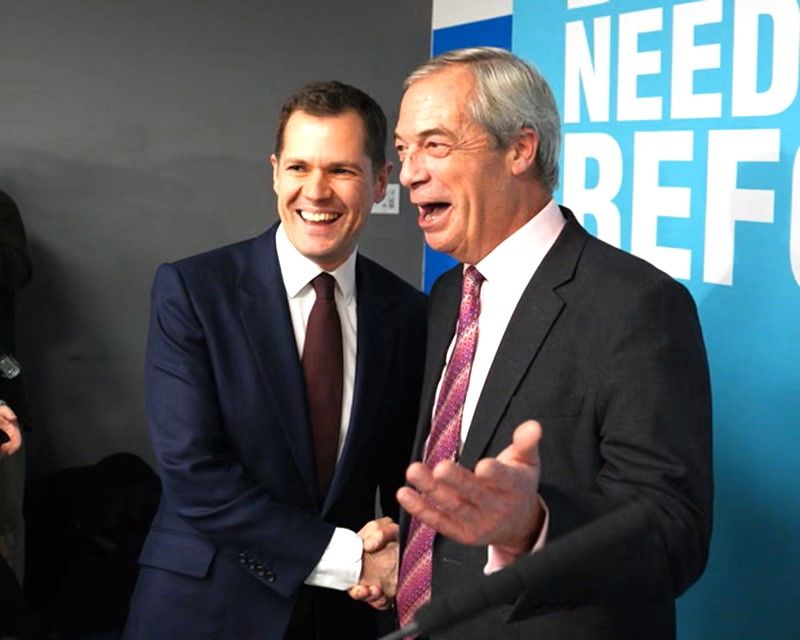
With most polls projecting a hung parliament, the shape of Britain’s next government could be decided by one question: are the Conservatives willing (or able) to form a pact with their right-wing rival, Reform UK?
Badenoch’s speech suggested that they are neither willing nor able, and she made the issue personal. She took aim at Reform politicians and commentators who have questioned whether Britons from minority or immigrant backgrounds can be.
Badenoch, the first Black leader of a major U.K. political party, took aim at Reform politicians and outriders who have questioned if non-white Brits with foreign heritage can be classed as English.
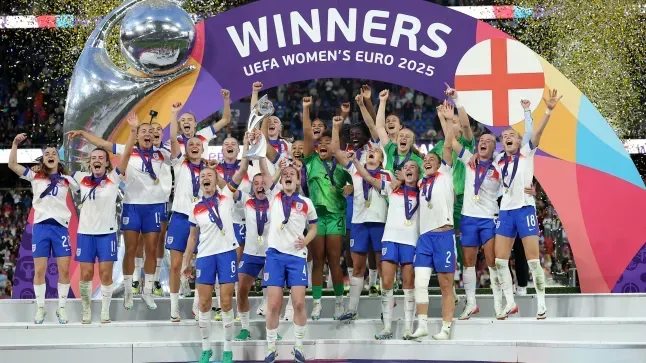
She said: “I don’t want to explain to my son, when we’re watching our brilliant England team play football, that some people don’t think our Black players are English. We must not let these people take us backwards. That is not the country we are … I am Black. I am British. I am proud of my country.”
Yet Badenoch’s own story makes this debate more complicated. She was born in Britain at a time when birth in the UK generally conferred British citizenship, and she was originally named Olukemi Olufunto Adegoke. Her public identity and heritage should not be reduced to political point-scoring; the more important question is whether her argument is consistent with the policies and rhetoric of her party.
She added: “To those who say ‘unite the right’: we are not uniting with that.”
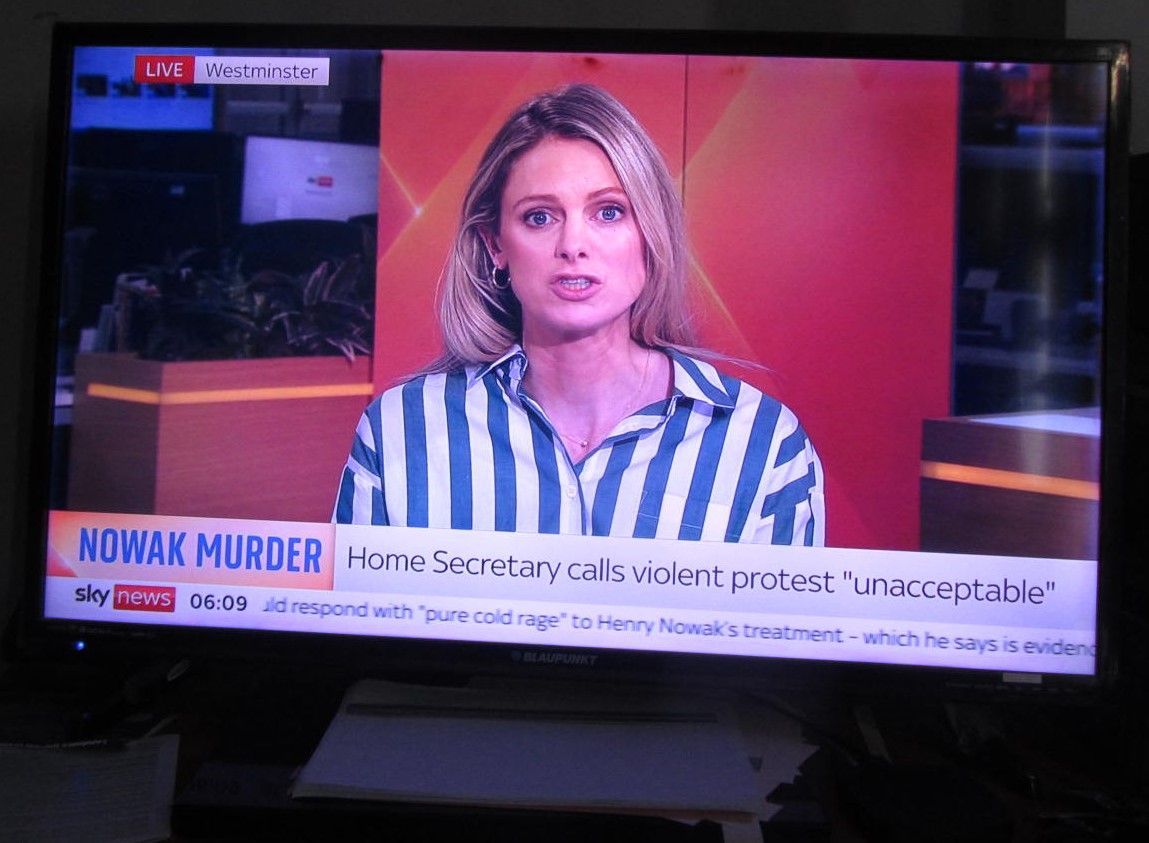
However, when the possibility of cooperation with Reform is considered, this statement may not hold water. There is a further complication for Badenoch and her party. My “significant other”, a Sky News journalist and broadcaster, attended the conference and unknowingly conversations between Conservative and Reform members were recorded. A recording, discovered nearly five hours after the discussions ended, appears to capture a proposal along the lines of: “Kemi as prime minister, Farage as deputy, with one or two other senior Cabinet posts, if you agree on this, we are happy to merge.” If authentic and accurately interpreted, that conversation would raise serious questions about the public denial of any possible pact.
Make no mistake: her party is clearly turning its attention to middle-class “shire Tories” in the south of England who switched to the Liberal Democrats in 2024. Some of the key policies announced this week like state-subsidised childcare for workers earning more than £100,000 a year and the scrapping of inheritance tax on multimillion-pound family homes, will benefit wealthier voters in London and the south.
Kemi Badenoch does not know (or does not want to acknowledge) that appealing to voters in London and the south means addressing a very different electoral coalition from that in the industrial heartlands of northern England, where low-income voters have turned to Reform. Inevitably, none of those voters in northern England would benefit from this tax cut, at least as far as the Conservatives’ inheritance tax policy is concerned. Badenoch appears to be under the illusion that these new policies will enable the Conservatives to win back both groups.
Take my word, with these policies, she cannot win back the voters who switched to the Liberal Democrats and Reform in the 2024 election.
So, with whom could Kemi Badenoch form a pact?
Not even with Restore Britain, whose presence split voters between it and Reform, but how many seats would such a pact deliver? Only a few.
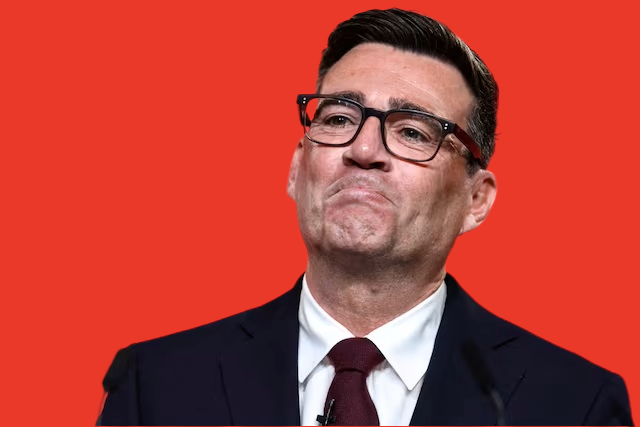
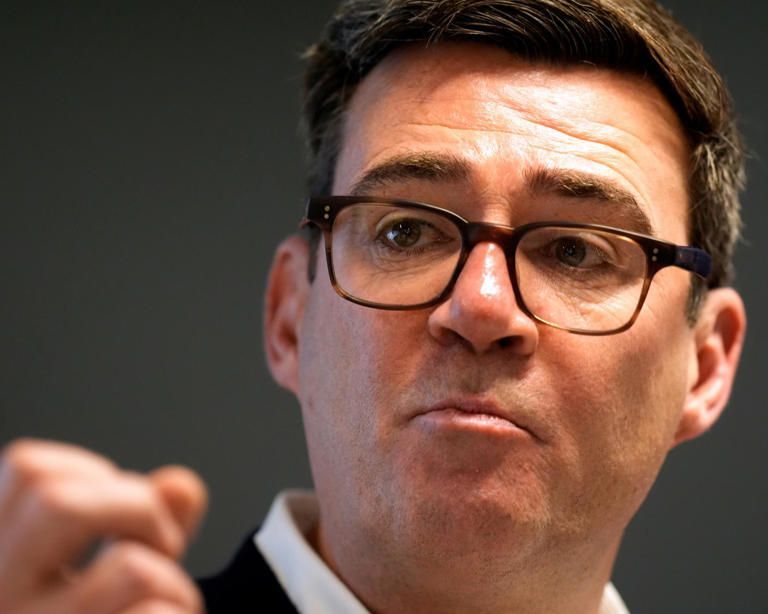
Kemi Badenoch also does not appear to have listened to Andy Burnham’s speech. Last week, he had already set out what sounded like a coalition pitch, arguing for closer ties with the EU and electoral reform. His first trip after the Labour Party conference will be a visit to Germany on Thursday this week.
Badenoch’s speech focused overwhelmingly on attacking her rivals and creating clear space between her party and theirs. She said that Burnham was the “Paddington Bear prime minister who hopes our problems go away”; that Conservative defector Robert Jenrick was part of an “export boom of drama queens going to Reform”; and that the Green Party was guilty of “disgraceful antisemitism”. She added that some Reform politicians were “measuring up the curtains for their prison cells”, and even mocked Farage ally George Cottrell, whose links to the Reform leader have come under scrutiny.
By contrast, Burnham’s speech last week avoided naming his rivals and set out some decisions, while the Conservative Party conference offered little sense of its policies or how they would be funded.
Kemi Badenoch is also forgetting that Labour is united in seeing politics as a battle of ideas—unlike former Prime Minister Keir Starmer, who was accused of focusing more on process than vision. Badenoch spent more than two months personally writing a 95-page treatise on her ideas for the future, “The Right Way”, which she unveiled on the first day of the conference.
Badenoch also wants to cut through by presenting her party as the voice of fiscal responsibility and defence. The Conservatives announced what they said would amount to £13 billion a year in welfare cuts, on top of the £23 billion announced last year. “Our country is running out of money. Almost every other problem flows from this,” Badenoch said.
Going further, Badenoch said her party would end the “delays” and approve a third runway at Heathrow Airport, although the exact process was unclear. She also pledged to halve the 15 per cent rate of employers’ National Insurance for workers under 25 and overturn the Labour government’s employment-rights reforms.
The ideological chasm opening up between Badenoch and Burnham is forcing the Conservatives onto uncomfortable territory. Burnham used his own conference speech to open the door to a possible return to the EU, but Badenoch made clear that she did not want to take the bait.
Kemi Badenoch said: “He (Andy Burnham) wants to reopen the Brexit debate. Can you imagine having to go through that again? So much time lost arguing with ourselves, arguing with the EU, going round and round in circles, businesses not knowing whether they should invest. He wants to do it all again. I think that is a terrible idea.”
The other major divide Burnham opened up concerns social care. He wants to fund a “national care service” for older people partly by changing the state pension “triple lock”. Badenoch, by contrast, stands firmly behind the triple lock, even though a majority in her party say it should not be retained because it no longer serves its original purpose and circumstances have changed significantly.
The triple lock is cherished by many on the right, but there are also small-state realists who want it abolished to curb the ballooning welfare bill. Shadow Cabinet ministers are debating the issue without producing a substantive proposal of their own for fixing the care system. They are ducking the major issues facing our country and, instead of showing leadership, Badenoch seems willing to fail an entire generation of older people who have contributed to society throughout their lives.
On her own terms, and those of her members, Badenoch sees the conference as a success. A week ago, journalists were asking whether Burnham would call for an early election. When they asked Badenoch what she thought, she said that doing so would not favour her party because it was not ready. However, in her closing words at the conference, she said: “Conference, we are ready for a new government to govern.”
Whether she can achieve that victory is another question. Nearly all polls put the Conservative Party on just 18 per cent in a general election (due by 2029) below its historic low in 2024 and behind Reform on 22 per cent and Labour on 26 per cent.
Also read:
OLUKEMI OLUFUNTO ADEGOKE BADENOCH (KEMI BADENOCH) - ANOTHER DELUSIONAL TORY