THERE SHOULD BE ONE COUNTRY ONLY
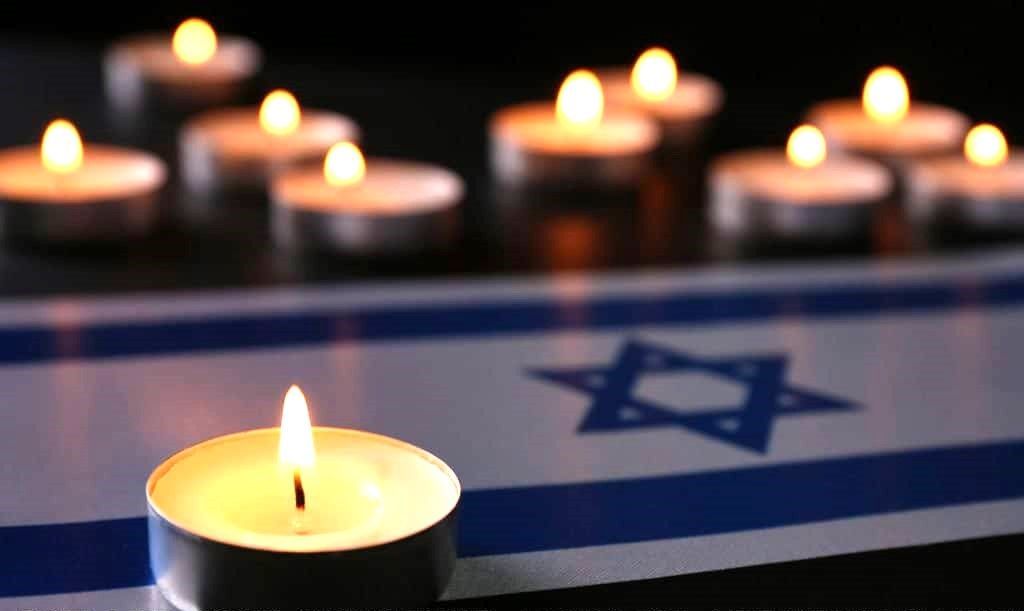
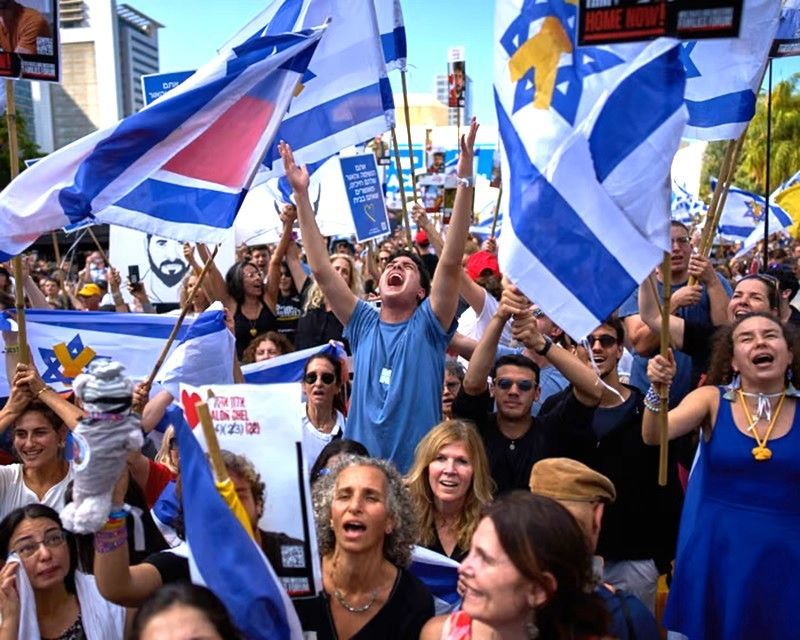
Israelis gathered in silence today at a kibbutz near the Gaza border that was overrun by Hamas militants on 7 October three years ago, mourning the victims of attacks that triggered Israel’s assault on Gaza and plunged the Middle East into war.
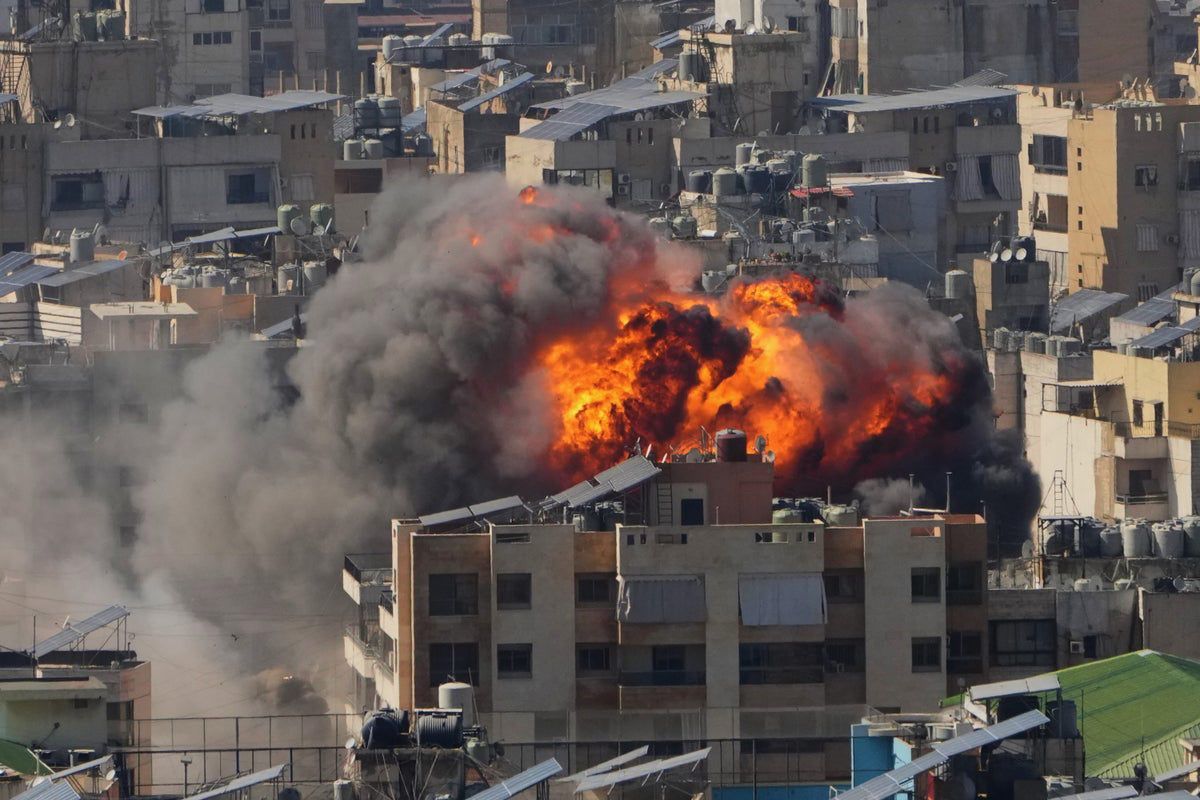
In the Gaza Strip, devastated by three years of Israeli bombardment, Palestinians sheltering among the ruins of destroyed cities recalled life before a war that displaced nearly the entire population and tore families apart.
The attacks marked the deadliest day in Israel’s history. Hamas-led militants killed about 1,200 people and took 251 hostages in a cross-border incursion that traumatised Israelis and intensified demands for government accountability.
Israeli Prime Minister Benjamin Netanyahu warned yesterday that Hamas could carry out an attack on Israel before the general election on 27 October. Speaking at a government meeting, he said Israel was prepared to respond to any attack with “overwhelming force”. “Precisely because Hamas is so weak, it will try to challenge us with the remainder of its forces ahead of the election in an attempt to influence it,” Netanyahu said, according to Israeli media.
Israelis gathered at the site of the Nova music festival, where Hamas-led militants killed 378 people and took 244 others hostage. Katia Zohar, whose 23-year-old daughter, Bar Zohar, was killed, called the start of the attack at 6.29am “the minute that changed our lives forever”.
Anti-government protesters in Israel filled the Dizengoff fountain in Tel Aviv with red dye as part of events across the country calling for an independent state inquiry into the failures that led to the 7 October attack and demanding accountability. Families of victims and hostages also gathered outside the Knesset to observe a minute’s silence and hold signs accusing the government of abandoning those affected by the Hamas-led assault three years ago.
Israel’s defence minister, Israel Katz, said he had placed the military on high alert yesterday, a day before the third anniversary of the 7 October attack. Without providing evidence, his office said the instruction was issued “in light of intelligence regarding Hamas’s intentions to attempt to carry out attacks and terror operations against our forces in Gaza on that day”.
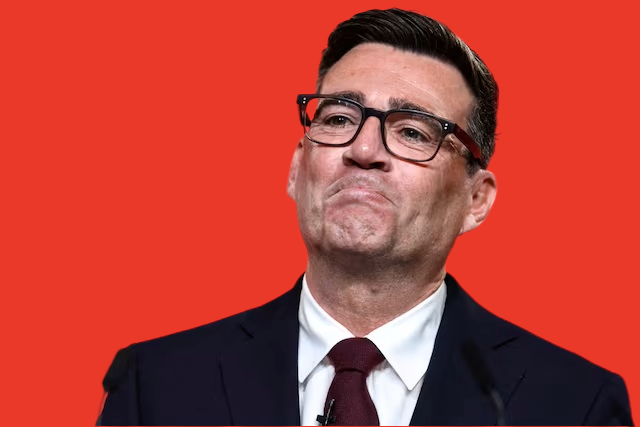
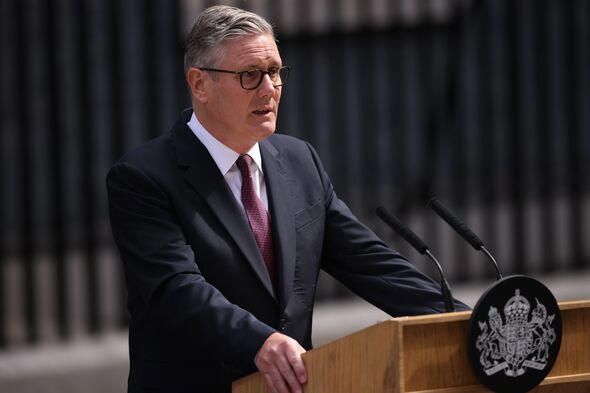
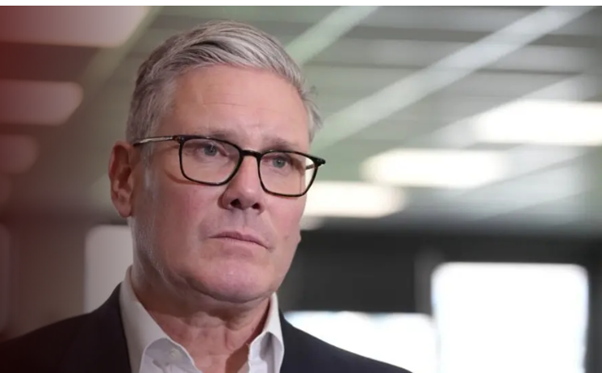
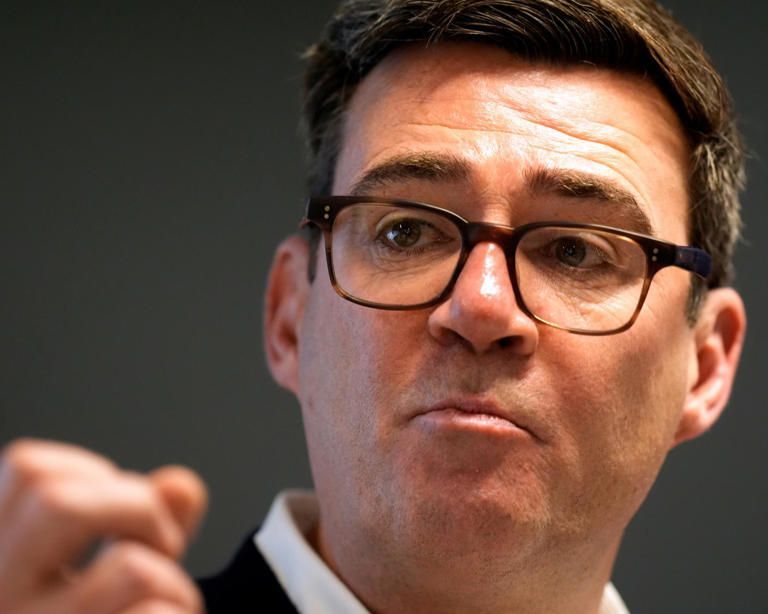
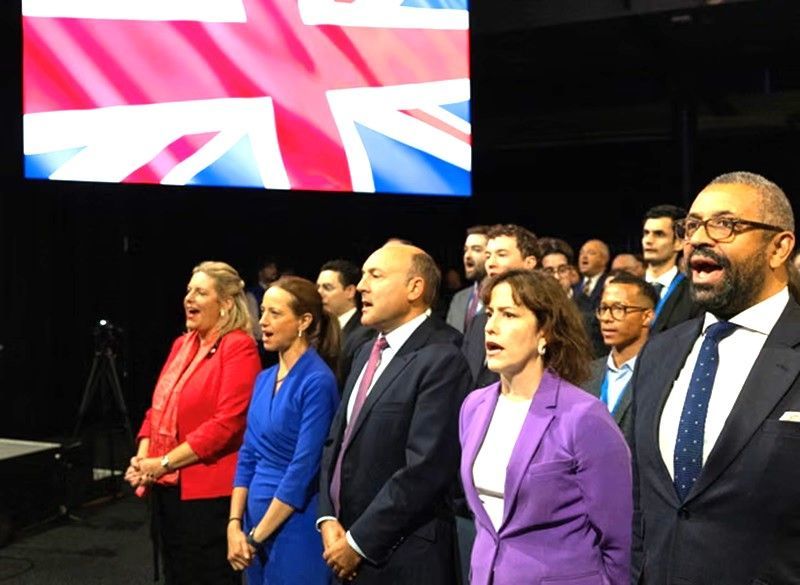
UK Prime Minister Andy Burnham paid tribute to the victims of the 7 October attack on its third anniversary. In a statement posted on X, he said: “Three years on from the October 7 attacks on Israel, we remember those who were senselessly killed by Hamas terrorists. The impact of the attacks has been felt not just in Israel, but in Jewish communities across the world who still bear the burden of the tragic events that day.”
Make no mistake, I was stunned that the UK government allowed pro-Palestinian protests to take place on the anniversary day in several locations across the United Kingdom, including London. In my view, the demonstrators should be permitted to demonstrate the day before or the day after, but not on the anniversary itself. I found the timing deeply disrespectful and disgraceful.
Ps: Regarding my personal view about "two countries"
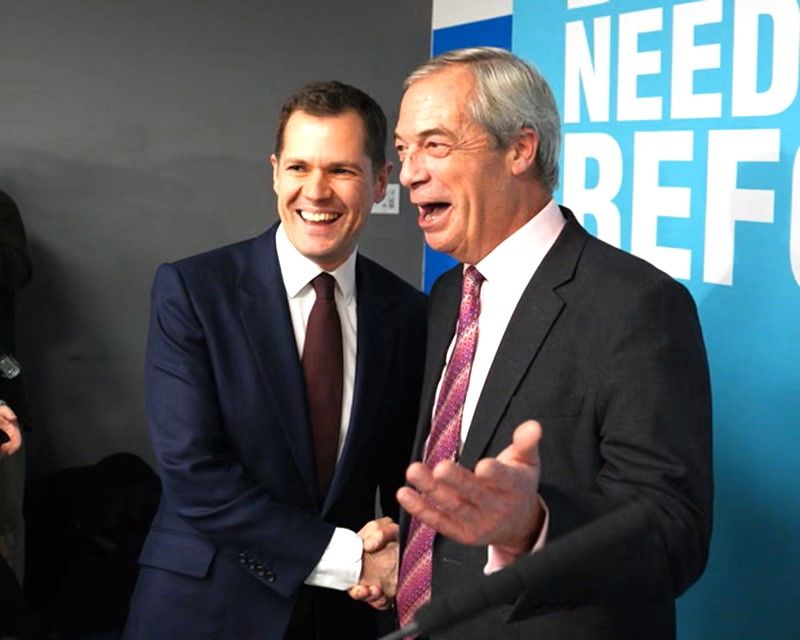
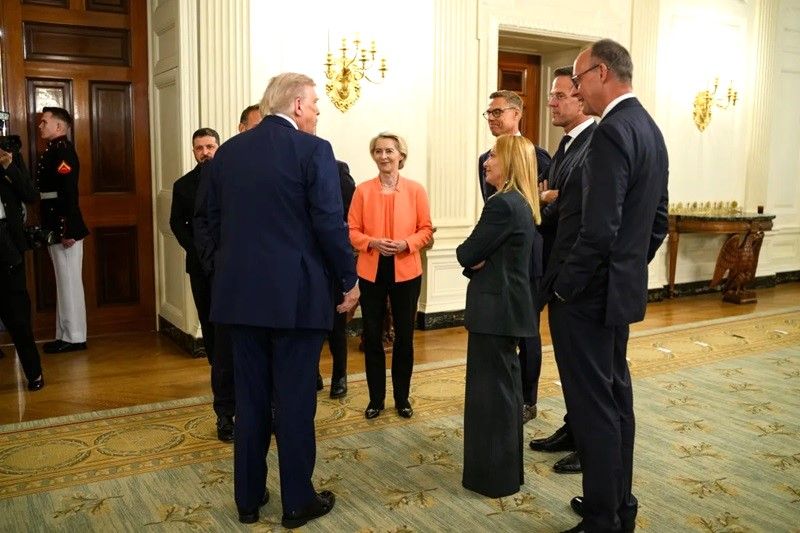
I am not surprised that Prime Minister Andy Burnham, seeking peace with his backbenchers, when he has said that he will support a two-state solution for Israel and Palestine. German Chancellor Friedrich Merz has taken the same position. Andy Burnham will be his guest this Thursday.
However, Andy Burnham and Friedrich Merz should remember what happened during the Balkan wars, when the United States and the United Kingdom intervened against Serbia and later recognised Kosovo as an independent country. The territory had previously formed part of Serbia (that was part of the land where Serbia was formally “borned”), and its constitutional and political status changed substantially during the period of Josip Broz Tito, the leader of the former Yugoslavia who gave this land to Kosovan Albanians.
Where has all this led? To serious, organised crime (drugs smuggling, people trafficking, sex trade, weapons and ammunition smuggling, ...) all this was and still is in majority in hands and under control of Kosovan Albanians. United Kingdom gave to majority Kosovan Albanians British passports despite that they were on Europol or Interpol lists.