WHERE DO WE STAND?
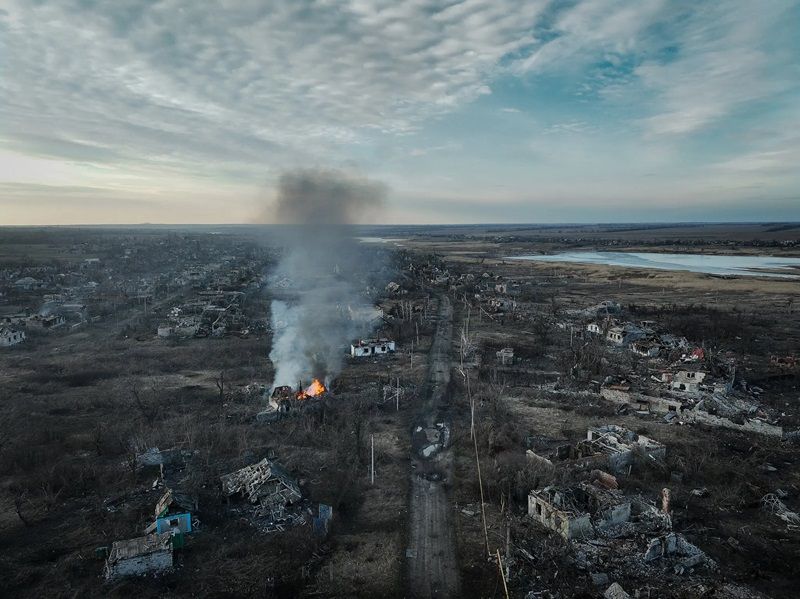
After four years of war in Ukraine, many people still hold deeply conflicting views about Russia, Ukraine, Europe and the stability of the United Kingdom. The debate is often driven by fear, political rhetoric and competing interpretations of history.
In my view, Russia has no appetite for a direct war with Europe or the United Kingdom. President Putin appears focused on reclaiming territory that he regards as historically Russian. That claim is fiercely disputed, but it remains central to the Kremlin’s justification for the war.
At the same time, any direct conflict between Russia and NATO would carry catastrophic risks. Nuclear facilities, biological weapons and other forms of mass destruction make escalation unthinkably dangerous. This is precisely why diplomacy, restraint and clear-eyed analysis are essential.
The Economic Picture
To understand the pressures behind the conflict, it is useful to compare the approximate size of the economies and public debts involved.
Approximate GDP
· Ukraine: £170 billion
· United Kingdom: £3.1 trillion
· Germany: £4.2 trillion
Approximate Public Debt
· Ukraine: more than £312 billion, including a disputed claim of more than £120 billion owed to Russia
· United Kingdom: around £2.2 trillion
· Germany: around £2.33 trillion
These figures should be treated with caution. Exchange rates, reporting dates and different definitions of public debt can materially change international comparisons.
Frozen Assets and International Support
Russia has continued financing the war while roughly £320.5 billion in Russian funds and seized assets remain frozen. Ukraine, by comparison, reportedly has about £11.7 billion in temporarily seized assets on hold.
Russia does not currently receive financial support from China, Iran or other countries on a scale comparable with Western assistance to Ukraine. Over the past decade, Europe (including the United Kingdom) has provided Ukraine with approximately £195 billion in financial, military and humanitarian support.
European assistance has included funding through the EU budget, support for refugees across Europe and a proposed £78 billion EU loan intended to help cover Ukraine’s budgetary and defence needs through 2027.
The United Kingdom has committed approximately £25 billion in total assistance since 2022. This includes fiscal loan guarantees through the World Bank, bilateral humanitarian aid and a long-term pledge of at least £3 billion a year in military support until 2030/31.
Military Aid and Procurement
Military assistance from European countries and institutions has reportedly exceeded €120 billion. This support has taken several forms:
· EU funding and procurement: approximately €97.3 billion allocated to military-assistance measures, including the European Peace Facility and direct procurement from European defence contractors.
· UK military funding: approximately £16 billion, including a £2.26 billion contribution to the G7 Extraordinary Revenue Acceleration loan backed by profits from frozen Russian assets.
· Air defence and missiles: Patriot, IRIS-T and NASAMS systems; surface-to-air missiles; and long-range weapons such as the UK’s Storm Shadow.
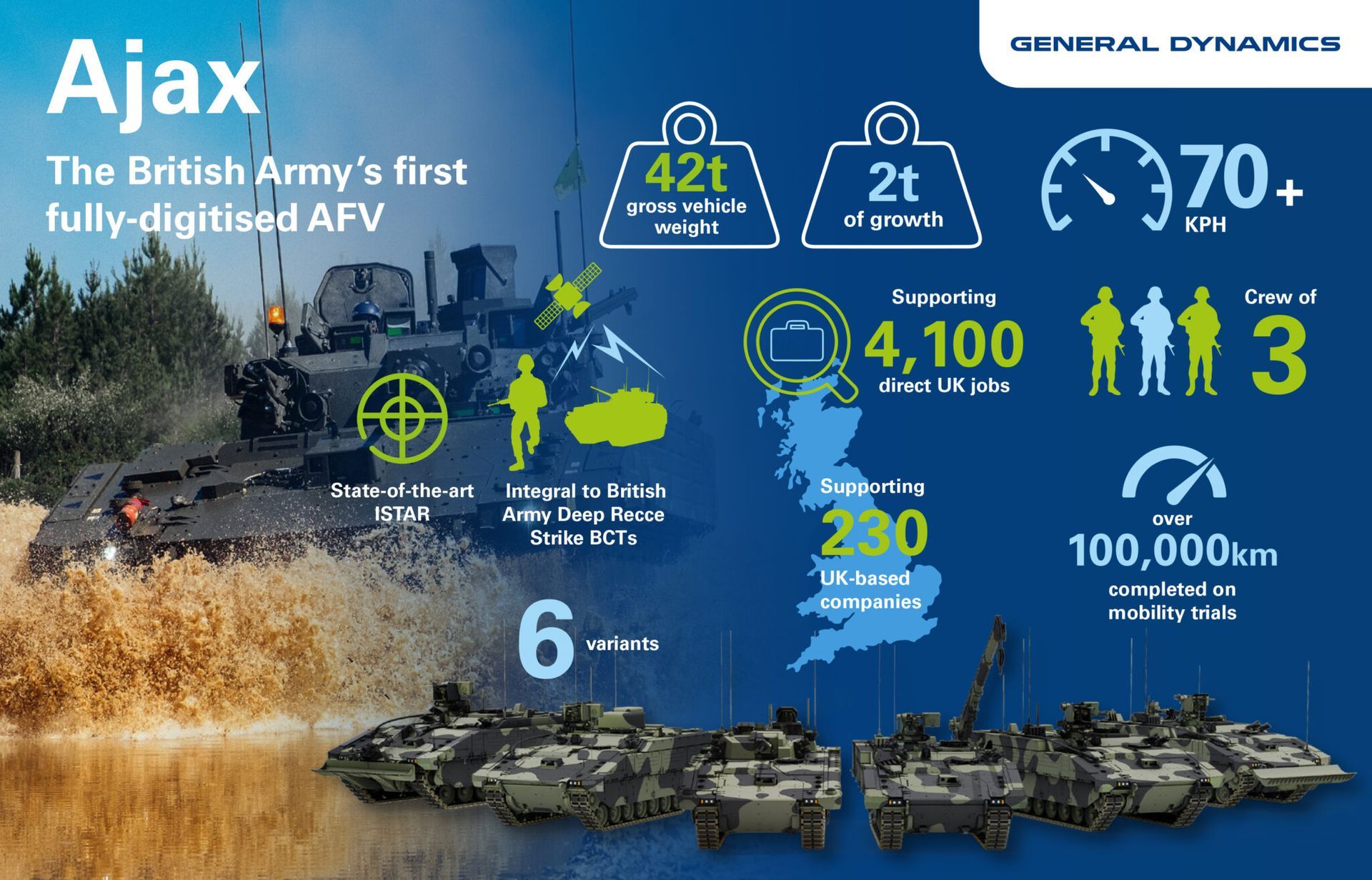
· Armoured vehicles and artillery: Challenger 2 and Leopard 2 tanks, armoured personnel carriers and more than 500 heavy howitzers supplied by European donors.
· Drones and electronics: substantial annual allocations for drones, electronic-warfare equipment and radar-tracking systems.
European countries have also continued personnel-training operations. One planned deployment in Poland recently is expected to involve around 300 British soldiers.
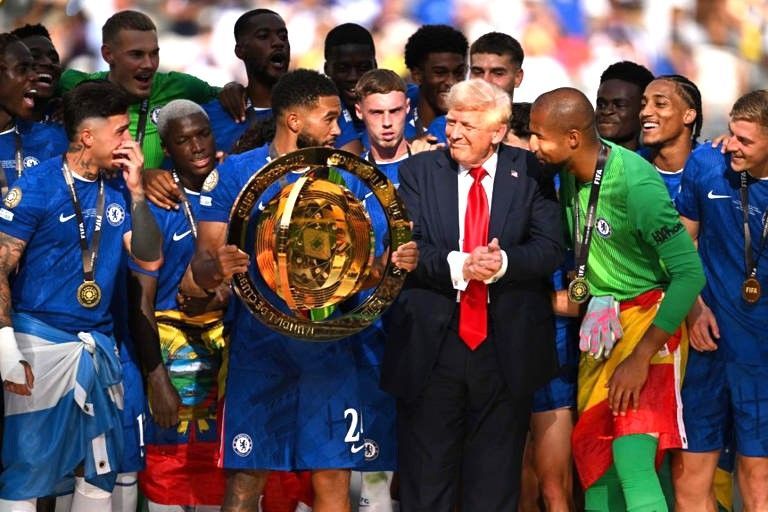
The Role of the United States and world Sheriff Donald Trump
The United States remains a central actor in the conflict. Ukraine depends heavily on American equipment, intelligence and technical support, while the United States continues to play the leading role within NATO.
Europe’s Wider Challenges
Europe and the United Kingdom also face serious internal challenges. Economic insecurity, pressure on public services, political polarisation and public concern about migration are fuelling unrest in several countries.
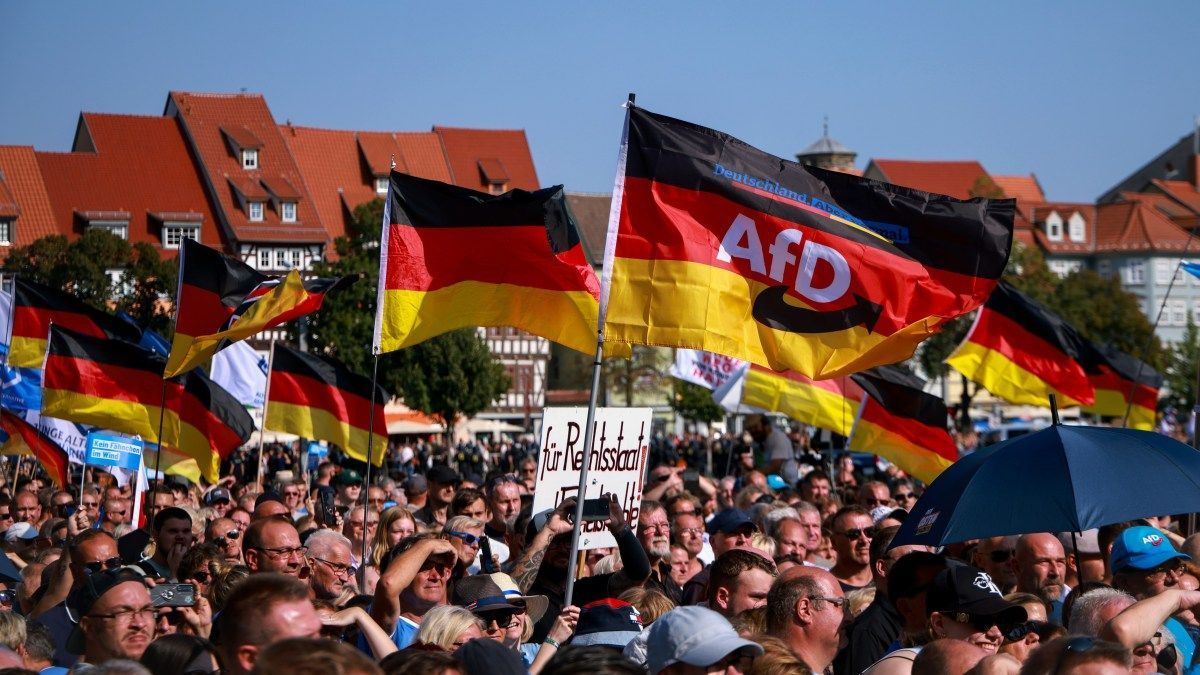
France and Germany face important political contests, while right-wing and far-right parties are gaining support in parts of Europe. If mainstream governments fail to address public frustration, political instability may deepen. Immigration, both legal and illegal, has become a particularly divisive issue, although it is important not to portray entire communities as responsible for extremism or social disorder.
The Human and Strategic Cost
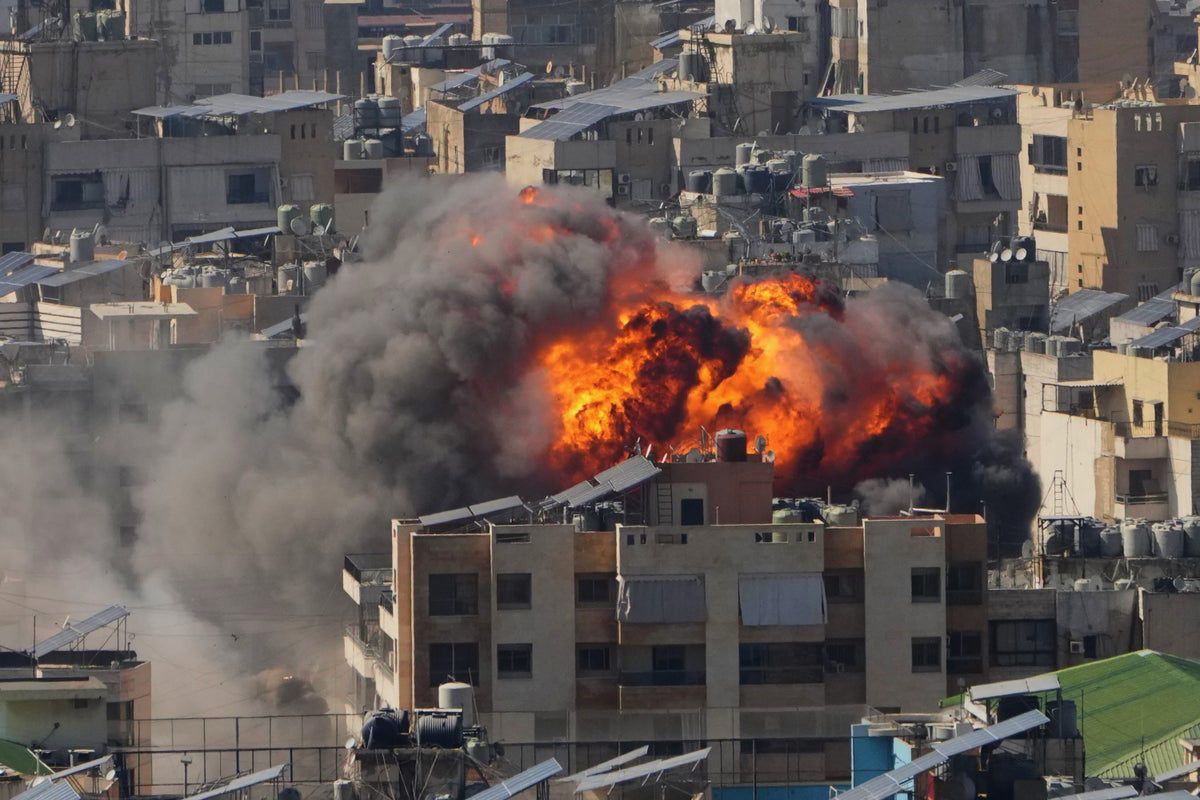
This leads to the most difficult question: what is Europe trying to achieve by continuing to fund Ukraine’s war effort? Vast sums have been spent, while soldiers and civilians on both sides continue to die or suffer. Casualty estimates vary widely and should not be presented as settled fact.
There is also no guarantee that removing President Putin would bring a more moderate government to Russia. A successor could be equally (or even more) confrontational as there are three people behind Putin who will take “war” more seriously than Putin and they will go to third world war without any shadow of the doubt. Any further escalation could also affect China’s calculations over Taiwan and intensify instability in the Middle East where my prediction is that the war in Gulf will escalate to wild war before New Year 2026/2027.
A Case for Realism and Diplomacy
Europe must balance support for Ukraine with the need to prevent a wider war, protect its own citizens and address growing hardship at home. That does not mean ignoring aggression or abandoning Ukraine. It means asking difficult questions about objectives, costs, accountability and the conditions needed for a durable peace.
As people across Europe and the United Kingdom struggle with food insecurity, housing costs and uncertainty about the future, governments must explain clearly why continued involvement serves the public interest.
We are facing with demonstration around the Europe (for example currently over 500,000 people demonstrate on streets in France), while United Kingdom we are having demonstration about Palestine.
Make no mistake, leaders should pursue serious diplomacy before miscalculation creates consequences that no country can control.